Category: Hypnotherapy

  • Why Sleep Can Feel Difficult in Cornwall 

    Why Sleep Can Feel Difficult in Cornwall 

    Cornwall may look like one of the easiest places in the country to relax.

    We have the sea, open countryside and plenty of places that appear wonderfully peaceful in photographs. None of that automatically guarantees a good night’s sleep.

    The people I see in my Hayle practice have the same busy minds, responsibilities and worries as people living anywhere else. Cornwall also brings some pressures of its own, including seasonal work, long journeys, early starts and the financial uncertainty that can accompany living in an area so dependent on tourism.

    Sleep difficulties rarely have one simple cause. Quite often, several ordinary things have gradually come together.

    Work does not always follow a regular pattern

    Many people in Cornwall work in hospitality, tourism, healthcare, care work, retail, farming and other jobs involving early starts, late finishes or changing shifts.

    During the busier months, the working day may become longer just as the evenings become lighter. Seasonal workers can move between extremely busy periods and quieter months, making it difficult for the body and mind to settle into a consistent rhythm.

    If you run your own business, the day may not end when you physically stop working. Messages, bookings, accounts and tomorrow’s jobs can follow you into the evening.

    You may be tired when you reach bed while your mind still feels as though it is at work.

    Long journeys can stretch the day

    Cornwall is beautiful, but getting from one part of it to another can take time.

    Some people travel considerable distances for work, appointments or family responsibilities. Summer traffic can make those journeys even longer and less predictable.

    An early start may mean getting up long before you feel ready, while a delayed journey home leaves very little time to slow down before bed.

    When the day has felt rushed from beginning to end, it is understandable that your mind may need time to catch up.

    Summer light and seasonal noise

    Cornwall’s long summer evenings are one of the pleasures of living here, but they can also make winding down more difficult.

    Light continues entering the bedroom later in the evening and earlier in the morning. Depending on where you live, summer may also bring more traffic, visitors, holiday accommodation and general activity outside.

    During winter, the opposite change can affect energy and routine. Dark mornings may make getting started feel more difficult, while long evenings indoors can lead to more screen time or dozing before bed.

    You cannot control the seasons, but blackout curtains, ventilation and reducing avoidable noise may make the bedroom more comfortable.

    A quiet place does not always create a quiet mind

    You can live close to the coast or look out over open countryside and still lie awake thinking about money, work, relationships or tomorrow.

    This is something people can feel guilty about. They think they should be relaxed because of where they live, which adds another layer of frustration when they are not.

    Your surroundings may help, but they do not switch off responsibility or worry.

    Sometimes the first quiet moment of the day is the moment you get into bed. With no conversation, work or television to occupy you, all the thoughts you postponed during the day suddenly have space to return.

    Worrying about sleep can become part of the problem

    After several difficult nights, bedtime can begin to feel like a test.

    You wonder whether you will sleep, check the time and calculate how many hours remain before you need to get up. Each time you wake, you may immediately reach for the clock.

    You know that trying to force sleep is not helping, but it is difficult to stop when the following day matters.

    This doesn’t mean that sleep problems are imaginary or “all in your mind”. Physical health, medication, pain, hormones, shift work and the sleep environment may all be relevant.

    It simply means that the pressure and habits that develop around sleep can become another part of the picture.

    Phones keep the day close by

    Phones allow work, news and other people to remain present right up until the moment we try to sleep.

    You might answer one final message, check tomorrow’s weather or look at something on social media. Half an hour disappears, and your mind has received another collection of things to think about.

    You do not need a perfect evening routine or a strict ban on every screen. A shorter and quieter transition into the night may be more realistic.

    That could mean putting work messages aside, lowering the lighting or choosing something less stimulating for the final part of the evening.

    Small changes are more useful when they genuinely fit your life.

    What can help?

    There is no single routine that suits everybody, but it may be worth considering:

    • Whether your waking time changes considerably across the week
    • How much caffeine you drink and how late you drink it
    • Whether the bedroom is too light, warm or noisy
    • How close to bedtime you are still working
    • Whether you regularly check the time during the night
    • Whether you spend long periods awake in bed worrying
    • Whether alcohol is affecting the quality of your sleep
    • Whether pain, medication or another health concern may be involved

    Try to approach these as useful observations rather than another list of sleep rules you must follow perfectly.

    When to speak to your GP

    Speak to your GP if sleep difficulties have lasted for months, are affecting your ability to manage during the day or occur alongside another physical or mental-health concern.

    Medical advice is particularly important if you:

    • Snore loudly
    • Gasp or choke during sleep
    • Appear to stop breathing while asleep
    • Experience severe daytime sleepiness
    • Fall asleep unexpectedly
    • Have persistent pain or low mood
    • Notice a significant unexplained change in your sleep

    Do not stop or change prescribed medication because of something you have read online. Speak to the clinician responsible for your care.

    Where hypnotherapy may fit

    Hypnotherapy can aid sleep and support relaxation.

    In my Hayle practice, and during online appointments, I work with people who find that a busy mind, anxiety or the pressure surrounding bedtime has made settling more difficult.

    A session may include guided relaxation, imagery and looking at some of the thoughts or habits that keep the day going long after you have gone to bed.

    Everyone responds differently, and hypnotherapy cannot promise a particular amount or quality of sleep. Persistent or severe sleep problems should be medically assessed.

    If you would like to experience my style before contacting me, you can watch my free YouTube video, Why Your Brain Won’t Switch Off at Night, or try one of my guided hypnosis sessions.
    Why Your Brain Wont Switch off at Night Youtube video

    A calmer place to begin

    Living in Cornwall does not make anybody immune to stress or poor sleep.

    If anything, the contrast between peaceful surroundings and a mind that refuses to settle can make the experience even more frustrating.

    You do not need to overhaul your entire life or create a perfect bedtime routine. Begin by noticing what keeps your own day going and what might help it come to a gentler end.

    If sleep has become something you dread or spend too much time thinking about, you are welcome to contact me for a friendly conversation about how I may be able to help.

    Read about hypnotherapy for sleep

    Contact Neil

  • HypnoCom 5 Review: Is This the Best Audio System for Hypnotherapists?

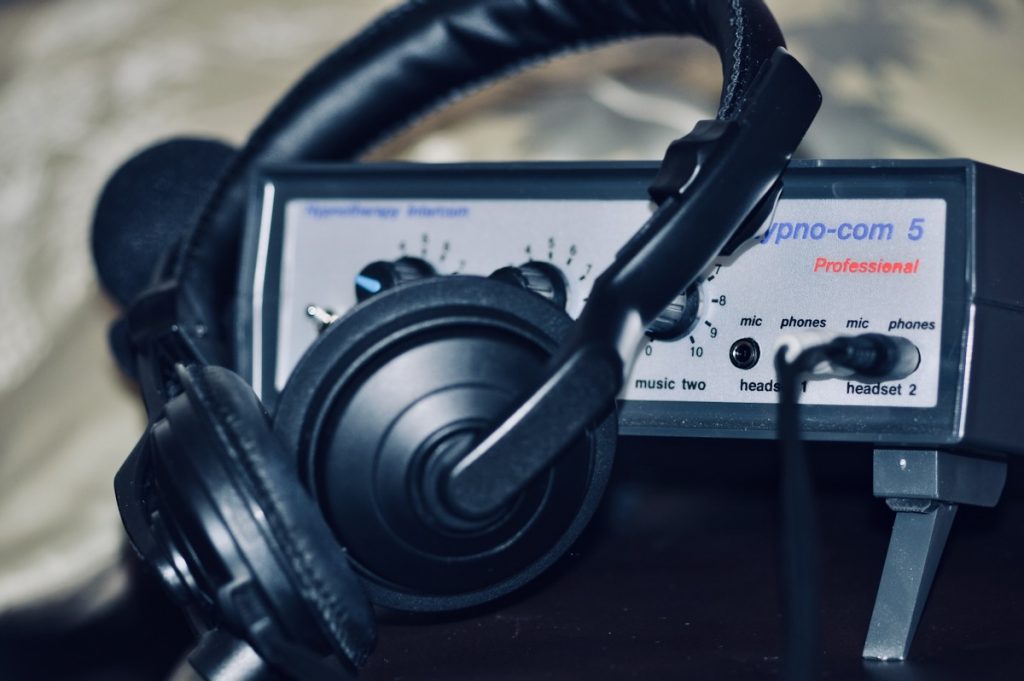
    HypnoCom 5 professional hypnotherapy communication system

    Since 2014 I’ve used the HypnoCom 5 in my hypnotherapy practice, and it remains one of the best investments I’ve made for creating a comfortable, immersive experience for clients.

    If you’re a hypnotherapist considering purchasing a HypnoCom system, or you’re a client wondering why some hypnotherapists use headphones during sessions, this review will give you an honest assessment based on years of real-world use.

    Update 2026

    Despite newer models now being available, including the HypnoCom 8, I continue to use my HypnoCom 5 regularly in clinical practice because it remains reliable, easy to use, and delivers excellent sound quality.

    Quick Verdict

    Overall Rating: 9/10

    Pros

    • Excellent sound quality
    • Helps reduce the impact of external distractions
    • Easy for clients to use
    • Particularly helpful for clients with mild hearing difficulties
    • Reliable and well-built
    • Allows sessions to feel more immersive

    Cons

    • More cables than modern wireless systems
    • Appearance is a little dated

    What Is the HypnoCom 5?

    The HypnoCom 5 is a professional communication system designed specifically for hypnotherapists and other talking therapists.

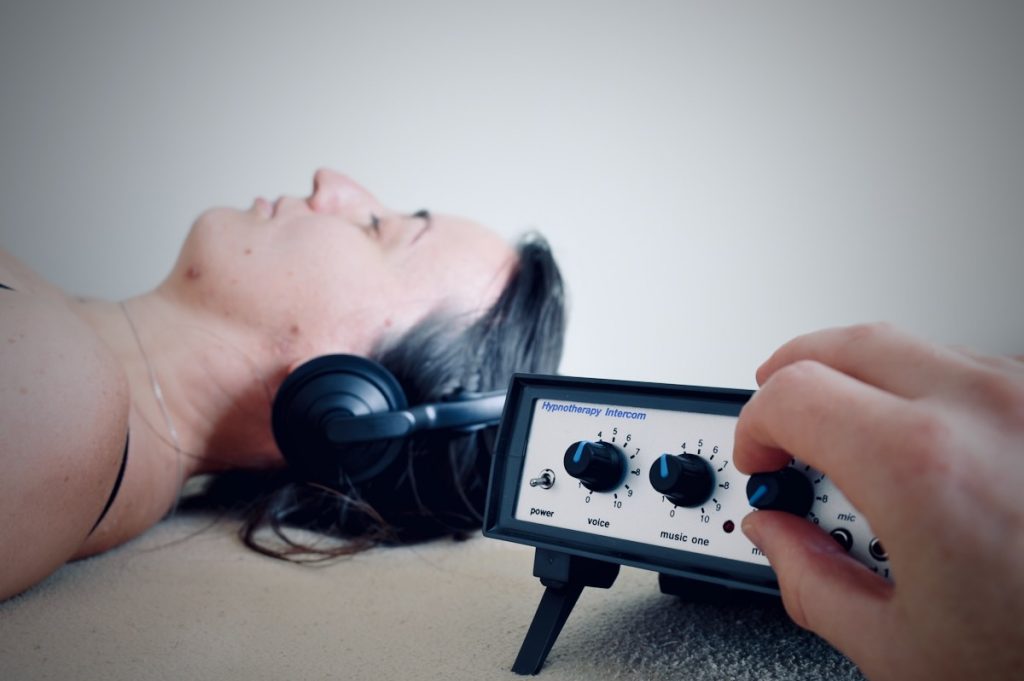
    The therapist wears a lightweight microphone / headphone headset while the client wears comfortable headphones. The therapist’s voice is transmitted directly to the client, creating clear communication throughout the session.

    Client headphones used with the HypnoCom 5

    Unlike a standard room speaker, the HypnoCom delivers the therapist’s voice directly to the client, helping maintain focus and reducing the impact of background noises.

    Why I Bought a HypnoCom 5

    When I first purchased the system back in 2014, my practice room was occasionally affected by external noise. Builders, traffic and general day-to-day sounds could sometimes interrupt what should be a calm and relaxing experience. Although hypnosis can work perfectly well without specialist equipment, I wanted to provide the best possible environment for my clients.

    After researching the available options, I decided to invest in the HypnoCom 5. Years later, I can confidently say it was money well spent.

    My Experience After Years of Use

    Since purchasing the HypnoCom 5, I have used it regularly in my practice for many years.

    Clients have told me that my voice sounds clear and easy to follow through the headphones. That is useful feedback about the listening experience rather than a claim that the equipment changes the result of therapy.

    One unexpected benefit is that the system can help clients who are concerned about being distracted. Knowing they can hear every word clearly often allows them to relax more quickly.

    Benefits for Clients

    Reduced Distractions

    No therapy room is completely silent.

    Whether it’s traffic outside, people walking past or the occasional Cornish seagull deciding to make its presence known, life continues around us. The HypnoCom helps minimise the impact of these sounds by delivering my voice directly to the client.

    Improved Clarity

    Clients hear every word clearly without needing to strain or concentrate. This allows them to focus on the session rather than worrying about missing something important.

    Helpful for Mild Hearing Difficulties

    Some clients have minor hearing difficulties but may not wear hearing aids or require specialist support. The ability to adjust the volume independently allows the volume to be adjusted, which some people may find more comfortable.

    A More Immersive Experience

    Many people describe the experience as feeling more personal and engaging. The voice feels closer and more immediate, which can help deepen relaxation and concentration.

    Neil Cox using the HypnoCom 5 communication system during a hypnotherapy session

    Is the HypnoCom Necessary?

    No.

    Excellent hypnotherapy can be delivered without a HypnoCom system. The skill and experience of the therapist will always be more important than the equipment being used. However, I believe the HypnoCom enhances the overall experience for many clients and provides an additional layer of comfort and professionalism.

    It’s one of those pieces of equipment that you don’t realise you appreciate until you’ve experienced it.

    Reliability and Build Quality

    One of the reasons I continue to use the HypnoCom 5 is its reliability. Despite years of regular use, the system has proven remarkably dependable. Like any equipment, occasional maintenance is required, but overall it has stood the test of time exceptionally well.

    Why I Continue to Use the HypnoCom 5

    There are now newer technologies available, including wireless systems and smartphone-based alternatives. Despite this, I continue to use the HypnoCom because it simply works. The sound quality is excellent, the system is reliable, and clients consistently respond positively to the experience. For me, it’s become a valuable part of creating a calm, focused and professional therapeutic environment.

    What Does This Mean for My Clients?

    At my practice in Hayle, Cornwall, I still use the HypnoCom 5 as part of my commitment to providing the best possible experience for clients. The system helps ensure that clients can hear every word clearly while reducing the impact of external distractions. Although the equipment itself isn’t what creates change, it helps create the conditions in which clients can relax, focus and engage fully with the process.

    What About the HypnoCom 8?

    Since purchasing my HypnoCom 5, the manufacturer has released newer models, currently the HypnoCom 8 model. The latest version retains the same core philosophy of providing clear communication between therapist and client while incorporating updated electronics and additional features.

    Although I haven’t used the HypnoCom 8 to provide a full review, my experience with the HypnoCom 5 has been overwhelmingly positive, which gives me confidence in the ongoing development of the range.

    If you’re considering purchasing a new system today, it’s worth exploring the current HypnoCom 8 model alongside any available second-hand HypnoCom 5 units.

    Final Verdict

    It’s reliable, effective and consistently appreciated by clients.

    If you’re a hypnotherapist considering whether to purchase one, my answer would be simple:

    If you value clarity, professionalism and creating an immersive experience for your clients, the HypnoCom 5 is well worth considering.

    Rating: 9/10

  • Shakti Mat – My Personal Experience

    Shakti Mat – My Personal Experience

    Advertisement / affiliate disclosure: I receive a commission if you buy through the discount link in this article, at no extra cost to you

    A Shakti Mat is a padded mat covered with small plastic points. It is designed to create an intense pressure sensation when somebody lies or sits on it.

    This article describes my personal experience. It is not medical advice, and I do not claim that the mat treats pain, anxiety, sleep problems or another health condition.

    Why I tried it

    I was curious about the strong physical sensation and whether using it for a short, quiet period would fit my own relaxation routine. The first impression is distinctive: the points feel sharp through thin clothing or against bare skin, and it takes time to decide whether that sensation is tolerable.

    When I use it, I treat it as a personal comfort and relaxation product. Other people may dislike the sensation or find that it is unsuitable for them.

    Before using one

    • Read the manufacturer’s current instructions before using it.
    • Begin gently and stop if the sensation is painful or your skin becomes damaged.
    • Do not assume that a strong sensation means a health benefit.
    • Keep it away from children and pets because of the pointed surface.
    • Check the seller’s materials, cleaning guidance, returns policy and warranty.
    • Ask an appropriate healthcare professional before use if you have a health condition, take medication that affects bleeding or sensation, are pregnant, have a skin problem, or are unsure whether pressure products are suitable for you.

    My view

    I sometimes enjoy using the mat during a quiet period, but that is a subjective preference. I cannot predict how it will feel for somebody else, and I would not use it in place of medical advice or treatment.

    The mat is separate from my hypnotherapy service. Owning or using one is not required for a session.

    Product link

    Shakti Mat products

    or just use discount code NEIL10 at checkout.

    Check the current price, product specification, safety instructions and terms on the seller’s own website before deciding whether to buy.

    A note on the Shakti Torus Rings

    I have also tried the Shakti Torus Rings, which are small pressure rings designed to be rolled along the fingers. I sometimes use one during screen-heavy days because I like the sensation and it is easy to keep nearby. That is simply my personal experience; I do not claim that the rings improve concentration, reduce stress or provide a health benefit. Check the manufacturer’s instructions and stop using them if the sensation becomes uncomfortable.

  • How to Join a Google Meet Appointment

    How to Join a Google Meet Appointment

    Online appointments take place through Google Meet.

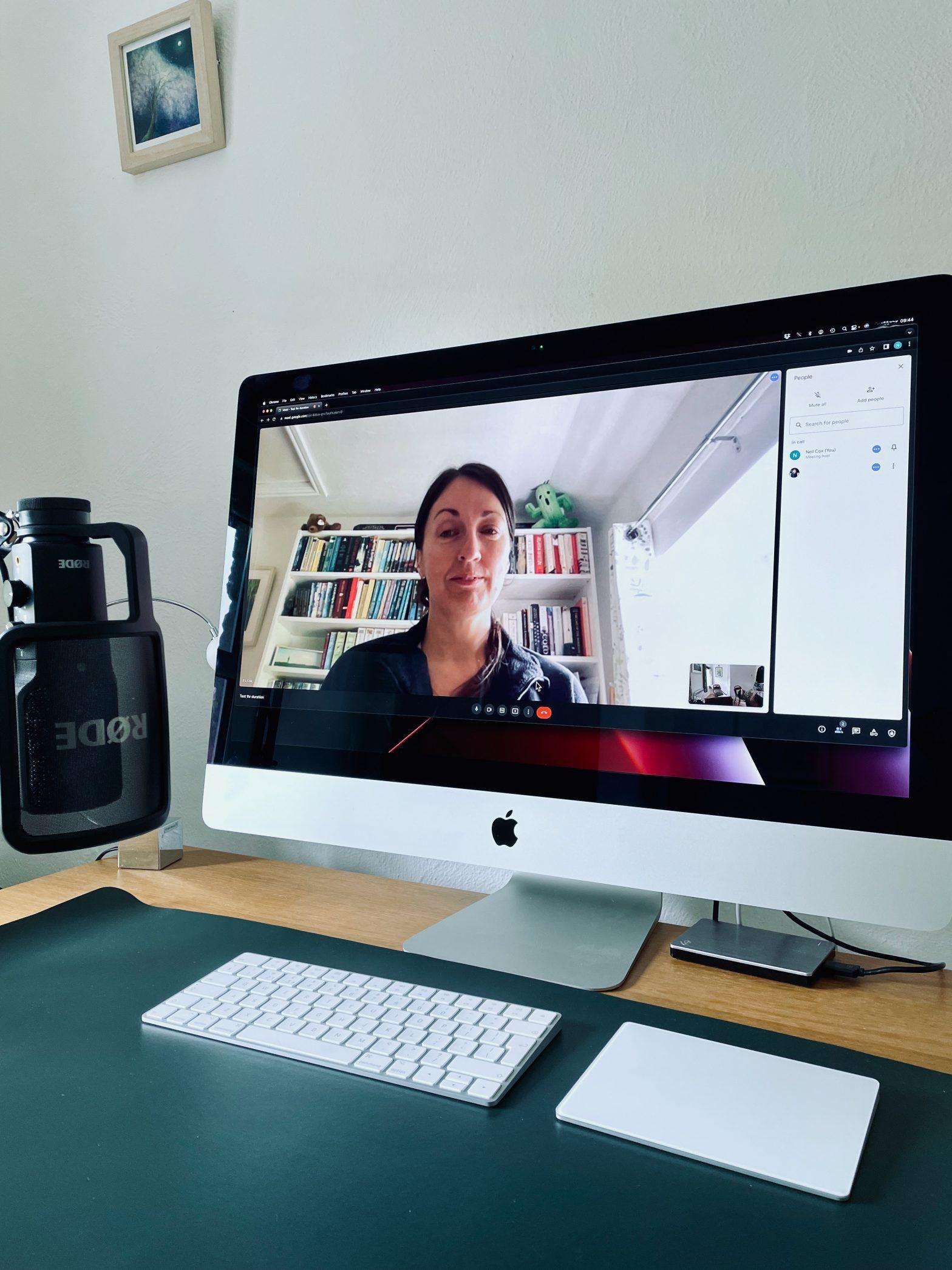
    I will send you a private joining link before the session. You do not need to be particularly confident with technology, and there is no complicated setup involved.

    Click the link shortly before your appointment and follow the instructions on the screen. I will admit you to the meeting when I am ready.

    google meet logo

    Find a quiet and private place

    Choose somewhere you can speak freely and are unlikely to be interrupted.

    You will need enough privacy to talk comfortably and somewhere safe to sit or recline during hypnosis.

    If possible:

    • Let other people know that you should not be disturbed
    • Close the door
    • Silence notifications on other devices
    • Keep pets outside the room if they are likely to interrupt
    • Have some water nearby
    • Make sure the room is warm and comfortable

    Please do not attend from a public place, shared workplace or anywhere you would feel unable to speak openly.

    Which device should I use?

    A laptop or desktop computer is often the easiest option because it can be positioned securely and has a larger screen.

    You can also use a phone or tablet.

    Whichever device you choose, make sure that:

    • It is charged or connected to power
    • The internet connection is stable
    • The camera and microphone are working
    • The speakers are loud enough for you to hear me clearly
    • The device can remain in position without you holding it

    Headphones are optional. They can improve privacy and make my voice easier to hear, but you do not need them if your device speakers work well.

    Before your appointment

    It is worth getting everything ready about ten minutes beforehand.

    Check that:

    • Your device has enough power
    • The camera lens is uncovered
    • The microphone is not muted
    • The volume is comfortable
    • You can sit somewhere with support for your head and neck
    • Your face and upper body will remain visible on camera
    • Your telephone is nearby in case the internet connection fails

    You may also find it helpful to close unnecessary apps or browser tabs.

    Joining on a computer

    1. Open the email or message containing your Google Meet link.
    2. Select the link shortly before the appointment.
    3. Allow Google Meet to use your camera and microphone if your browser asks for permission.
    4. Check the small preview to make sure you can see and hear yourself.
    5. Select Ask to join or Join now, depending on which option appears.
    6. Wait for me to admit you to the meeting.

    If you are not signed into a Google account, you may be asked to enter your name before requesting to join.

    Joining on a phone or tablet

    1. Open the link from your appointment email or message.
    2. Your device may ask you to open or install the Google Meet app.
    3. Allow access to the camera and microphone when prompted.
    4. Enter your name if requested.
    5. Select Ask to join.
    6. Wait for me to admit you.

    Google occasionally changes the wording or position of its buttons, but the private link will still take you to the correct meeting.

    If the camera or microphone does not work

    First, check that the camera and microphone icons on the meeting screen have not been switched off.

    If that does not solve the problem:

    • Check your device settings to make sure Google Meet has permission to use them
    • Leave the meeting and open the link again
    • Close another app that may already be using the camera
    • Restart the device if there is enough time
    • Try another browser or device

    If you are unable to join, contact me using the telephone or WhatsApp details provided with your booking.

    We can usually resolve a small technical problem without it becoming a source of stress.

    What if the connection drops?

    Occasional internet problems happen.

    If the picture freezes or the call disconnects, use the same link to join the meeting again.

    Keep your telephone nearby during the appointment. If we cannot restore the connection, I can contact you so that we can decide what to do next.

    Please join from somewhere safe

    Do not join an online hypnotherapy appointment while:

    • Driving or sitting in a vehicle that may need to be moved
    • Supervising children
    • Operating equipment
    • Working
    • Cooking
    • Walking in a public place
    • Doing anything else that requires your attention

    You need to be somewhere you can safely give the appointment your full attention.

    Ready for your appointment?

    Once you have joined, I will check that we can see and hear one another clearly.

    We will talk first, just as we would during an appointment at my Hayle practice. There is no need to begin relaxing or close your eyes until I have explained what we are doing and you feel ready.

    If you have any questions about the online setup, you are welcome to ask before the day.

    Contact Neil

  • Confidence, Anxiety and Intimacy

    Confidence, Anxiety and Intimacy

    Concerns around intimacy can be difficult to talk about, even with somebody you trust.

    You may worry that you will be embarrassed, misunderstood or expected to share more detail than feels comfortable. Sometimes the concern has been kept private for so long that beginning the conversation feels like the hardest part.

    Difficulties around intimacy may involve physical health, medication, pain, hormones, relationship factors, earlier experiences, stress or anxiety. Quite often, more than one thing is involved.

    Hypnotherapy cannot diagnose or treat a sexual dysfunction. Once relevant medical causes have been considered, it may sometimes provide complementary support with relaxation, confidence and anxiety.

    When anxiety begins to get in the way

    Intimacy can become difficult when your attention is taken up by monitoring yourself.

    You may be wondering:

    • Am I relaxed enough?
    • What if something goes wrong?
    • What does my partner think?
    • Why am I not responding in the way I expected?
    • What if the same thing happens again?

    The more closely you watch and judge what is happening, the harder it can become to remain present.

    An earlier difficult or embarrassing experience may add to the pressure. You begin expecting it to happen again, and that expectation follows you into the next situation.

    What was once a single experience can gradually become a pattern of anticipation, tension and avoidance.

    Confidence and body image

    Some concerns are less about physical function and more about how comfortable you feel being seen.

    You may be self-conscious about your body, compare yourself with other people or worry that you will be judged. Changes following illness, surgery, pregnancy, ageing or weight fluctuation may also affect how you feel about yourself.

    Reassurance from a partner can be comforting, but it may not immediately change the critical way you view your own body.

    Hypnotherapy can be used to help with general confidence and self-trust. The aim would be agreed with you and kept within an appropriate wellbeing role.

    Begin with medical advice

    Persistent changes in sexual function should be discussed with a GP, sexual-health clinician or another appropriately qualified healthcare professional.

    Medical assessment is important because difficulties may be connected with:

    • Physical health conditions
    • Hormonal changes
    • Pain
    • Medication
    • Alcohol or substance use
    • Surgery or medical treatment
    • Menopause
    • Pregnancy or childbirth
    • Another health concern requiring treatment

    If you think medication may be contributing, speak to the prescriber. Do not stop or change prescribed medication without medical advice.

    Where hypnotherapy may fit

    Once relevant physical causes have been properly assessed, some people choose hypnotherapy for support with anxiety, relaxation or confidence around intimacy.

    During our sessions, we might work on:

    • Reducing anxious anticipation
    • Becoming less caught up in self-monitoring
    • Feeling more physically relaxed
    • Building general confidence
    • Remaining more present with your partner
    • Responding more calmly after an earlier difficult experience
    • Communicating your needs with greater confidence

    I may use guided relaxation, imagery and mental rehearsal connected to the goal we have agreed.

    Erectile Difficulties Youtube Video
    Watch Erectile Difficulties on Youtube

    Hypnotherapy cannot guarantee a change in sexual function or resolve a medical or relationship problem. My work remains focused on the emotional-wellbeing aspects that sit within my experience.

    Pressure can make intimacy feel like a test

    When something has not gone as expected, it is easy for the next intimate moment to feel like an opportunity to prove that everything is all right.

    That creates an enormous amount of pressure.

    Instead of being involved in the experience, you may feel as though you are observing and assessing yourself. Every physical response becomes evidence that things are either working or going wrong.

    Part of our work may involve stepping away from that constant assessment and becoming more comfortable with uncertainty. Intimacy does not have to follow a fixed sequence or meet a particular standard to be meaningful.

    This does not replace honest communication with your partner. If relationship difficulties are central, couples counselling or psychosexual therapy may be more appropriate.

    What happens during the consultation?

    The initial consultation is calm, private and confidential.

    You can describe the broad concern without giving explicit detail. I may ask:

    • Whether you have spoken to a healthcare professional
    • When you first noticed the difficulty
    • Whether it happens consistently or in particular circumstances
    • What thoughts or worries appear beforehand
    • How it affects your confidence or relationship
    • What support you are hoping for

    I will explain honestly whether I believe my approach may be appropriate.

    You will not be asked to undress, demonstrate anything or discuss sexual detail that is not relevant to the agreed goal. Hypnotherapy sessions do not involve touch or physical examination.

    You remain aware and in control throughout hypnosis and can speak or stop at any time.

    When another type of support is more appropriate

    A psychosexual therapist is specifically trained to work with sexual and relationship difficulties and may be a better fit when the concern requires specialist assessment or treatment.

    Couples counselling may help when communication, conflict or the wider relationship is central.

    If the difficulty is connected with trauma, abuse or coercion, support from an appropriately qualified trauma professional should come first. If you do not feel safe in a relationship, specialist domestic-abuse support may also be needed.

    I will never suggest that somebody should become comfortable with intimacy they do not want. Consent, personal boundaries and the right to stop remain essential.

    A discreet and straightforward conversation

    I understand that contacting a hypnotherapist about intimacy may feel uncomfortable.

    You do not need to describe everything in your first message. You can simply say that you would like to ask about anxiety or confidence connected with intimacy.

    I will respond discreetly, explain what I can and cannot offer, and suggest another professional if that appears more suitable.

    Appointments are available at my private practice in Hayle, Cornwall, and online for suitable concerns.

    Contact Neil

  • Stress, Itching and Minor Skin Concerns

    Stress, Itching and Minor Skin Concerns

    A skin problem can be extremely difficult to ignore.

    It may be uncomfortable, visible or both. You notice an itch, roughness or irritation and your attention keeps returning to it. Before long, you may be checking the area in a mirror, touching it without realising or scratching whenever you feel tense.

    Skin concerns can affect confidence too. You may wonder whether other people have noticed or choose clothes and social situations according to what you want to hide.

    Hypnotherapy cannot diagnose or cure a skin condition. For somebody whose condition has already been properly assessed, it may have a complementary role in supporting relaxation, managing stress and working with an automatic habit of touching or scratching the skin.

    Medical assessment comes first

    Skin changes can have many different causes, and it is important not to assume that stress is responsible.

    New, unexplained, persistent, painful, infected or changing skin problems should be assessed by a GP, pharmacist or dermatologist.

    You should also seek medical advice if:

    • An itch is severe or keeps returning
    • It affects a large part of your body
    • It interferes with sleep or everyday life
    • The skin is broken, bleeding or showing signs of infection
    • You notice a new or changing mole, lump or mark
    • Itching begins during pregnancy
    • You have other unexplained symptoms

    Continue using any creams or medication you have been prescribed. Do not stop or alter medical treatment without speaking to the healthcare professional responsible for your care.

    The connection with stress

    Stress does not explain every skin problem, but some people notice that their symptoms feel more difficult during tense or demanding periods.

    You may become more aware of itching when you are tired, worried or trying to sit still. Scratching can bring a brief sense of relief, which makes it easy for the response to become automatic.

    Sometimes you only realise you have been doing it when the area becomes sore or somebody else points it out.

    There may then be another layer of frustration. You tell yourself to stop scratching, monitor your hands and become even more focused on the sensation.

    This does not mean that the itch is imaginary. The physical sensation is real. The habit, attention and stress surrounding it may simply have become additional parts of the experience.

    When touching or scratching becomes automatic

    Not every scratch is a problem. It is a natural response to an itch.

    The difficulty comes when scratching continues beyond the initial sensation or becomes closely linked with particular situations.

    You may notice yourself doing it:

    • While watching television
    • When working at a computer
    • During a difficult conversation
    • When trying to sleep
    • While thinking or concentrating
    • When you feel nervous or frustrated
    • Without any clear awareness that you have started

    Telling yourself to “just stop” may work briefly, but habits often need a more practical approach.

    It can help to notice where, when and how the behaviour begins. That gives us something specific to work with rather than treating every moment as the same.

    Where hypnotherapy may fit

    I offer hypnotherapy for adults who have already had the underlying skin concern assessed and would like support with relaxation, stress or an associated habit.

    During our sessions, we may focus on:

    • Becoming more physically relaxed
    • Reducing the attention repeatedly given to an itch or sensation
    • Noticing when a hand begins moving towards the skin
    • Finding a different response during familiar trigger moments
    • Feeling less self-conscious about a visible minor condition
    • Managing stress that appears to make the experience harder

    I may use guided relaxation, imagery and mental rehearsal to help you become more familiar with leaving the area alone or responding differently when an itch appears.

    The 60-Year Habit: Is Your Brain Too Old to Change? Youtube video
    Watch The 60-Year Habit: Is Your Brain Too Old to Change?

    Skin concerns and confidence

    A visible skin condition can change how you feel around other people.

    You may avoid photographs, eye contact, swimming, intimacy or situations where you think the affected area will be noticed. Sometimes you become so aware of your skin that it is difficult to follow a conversation without wondering where the other person is looking.

    Other people may notice far less than you imagine, but simply being told that does not always change how self-conscious you feel.

    Hypnotherapy can be used to help with confidence. We may work on keeping your attention with the situation in front of you, rather than repeatedly checking how you look or trying to guess what another person thinks.

    The aim is not to convince you that the skin concern does not matter. It is to help it occupy less of your attention and have less influence over what you feel able to do.

    What happens at the initial consultation?

    We begin with a conversation about:

    • The diagnosis or medical advice you have received
    • Any treatment you currently use
    • When touching or scratching tends to happen
    • Whether stress seems to affect the experience
    • How the concern affects confidence or everyday life
    • What you would like help with

    I will not examine or diagnose your skin. If appropriate medical assessment has not taken place, I may suggest that this happens before we work together.

    You can ask questions and decide whether my approach feels suitable. There is no obligation to book further sessions.

    A calm and respectful approach

    Skin concerns can be difficult or embarrassing to discuss, particularly when they affect confidence as well as comfort.

    Appointments are private, unhurried and focused on the change you would like to make. You do not have to expose an affected area unless you independently choose to show me something relevant, and I will never attempt to give a medical opinion about it.

    You remain aware and in control throughout hypnosis and can speak or stop whenever you wish.

    Appointments are available at my practice in Hayle, Cornwall, and online for suitable concerns.

    If a minor skin condition has already been medically assessed and you would like support with stress, confidence or an automatic scratching habit, you are welcome to get in touch and ask whether hypnotherapy may be appropriate.

    Contact Neil