
Everyone feels angry at times. It can tell us that something feels unfair, that a boundary has been crossed or that we have been carrying too much for too long.
The difficulty comes when anger appears too quickly, feels out of proportion to what has happened or affects the people around you.
You may snap over something small and regret it almost immediately. Perhaps you hold everything in until the pressure becomes too much, or find yourself becoming irritated by people and situations you would normally manage quite well.
People often come to see me because they do not like the way they have been reacting. They want a little more space between the feeling of anger and what they say or do next.
When irritability starts becoming a problem
Anger does not always look like shouting or losing control. It can also appear as impatience, resentment, withdrawal or a constant sense that everybody is getting on your nerves.
You might recognise some of the following:
- Snapping at your partner, family or colleagues
- Feeling irritated by small noises, delays or interruptions
- Becoming defensive very quickly
- Replaying disagreements long after they have ended
- Going quiet and refusing to communicate
- Saying things you later regret
- Feeling tense while driving
- Struggling when plans change
- Feeling as though nobody listens or understands
- Keeping everything inside and then suddenly exploding
- Finding it difficult to let go when somebody has upset you
Afterwards, you may feel guilty, embarrassed or disappointed in yourself. You promise that you will respond differently next time, but in the moment the reaction seems to happen before you have had time to think.
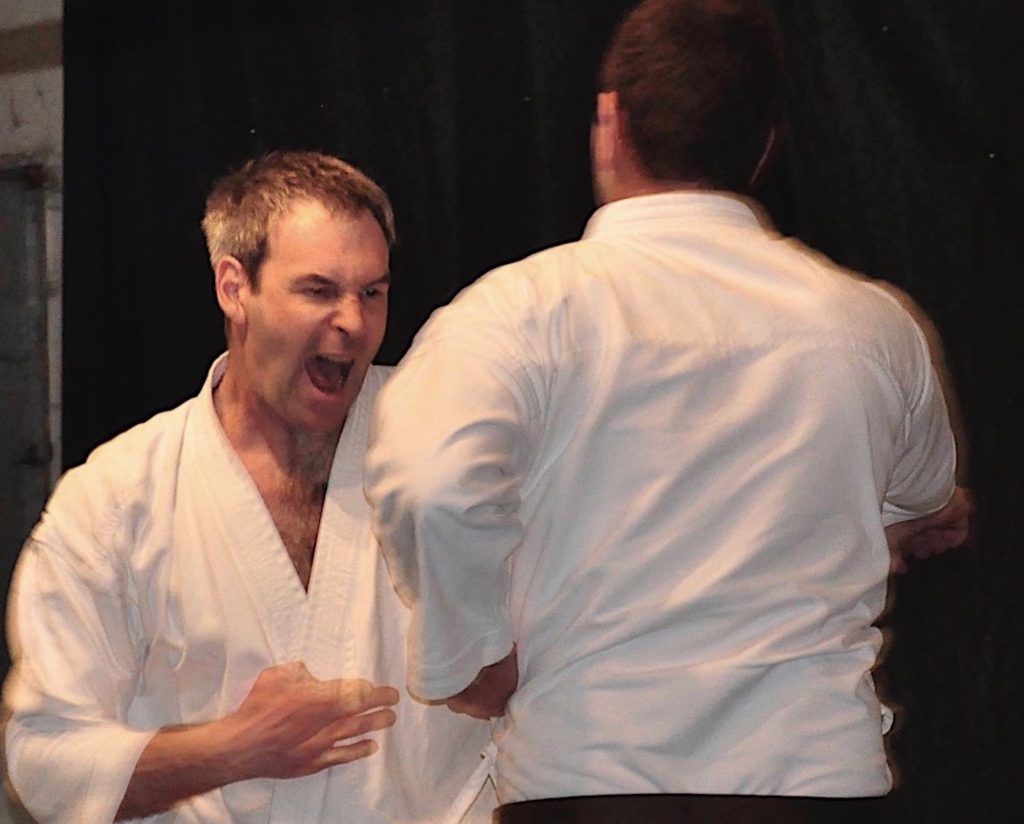
What might be sitting underneath the anger?
Anger is sometimes the most visible part of what is happening. Underneath it, there may be stress, anxiety, frustration, hurt, tiredness or a feeling that you are not being heard.
You may have spent a long time dealing with work pressure, financial worries, poor sleep, relationship difficulties or responsibilities that leave very little time for yourself.
When your mind and body are already under strain, your tolerance for one more problem can become much lower. Something that would usually be manageable feels like the final straw.
This does not excuse hurtful or frightening behaviour. It can, however, be useful to understand what is contributing to the pressure so that you can begin responding differently.
How I may be able to help
I offer hypnotherapy in Hayle and online for adults who would like support with anger, irritability and the stress that may be contributing to it.
We begin by talking about what tends to trigger the reaction and what you notice just before it happens.
There may be early warning signs such as:
- Tightness in your chest, jaw or shoulders
- Feeling hot
- Your breathing becoming quicker
- Speaking more loudly or rapidly
- An urge to interrupt
- Thoughts becoming very rigid
- Feeling that you must respond immediately
Recognising these signs can give you a valuable opportunity to pause before the reaction gathers momentum.
Hypnotherapy can help with relaxation and may help you feel less reactive in situations that currently test your patience. I may also use guided imagery and mental rehearsal to help you picture yourself noticing the warning signs, taking a moment and choosing how you want to respond.
Creating a little more thinking time
You do not have to suppress every angry feeling or pretend that something hasn’t bothered you.
The aim is to give you more choice over what happens next.
That might mean explaining how you feel without raising your voice, stepping away before a conversation becomes heated or returning to the subject when you are able to think more clearly.
We may mentally rehearse situations that regularly cause difficulty. This can help a calmer response feel more familiar when something similar happens in everyday life.
You remain aware and in control throughout hypnosis. I will explain how I work and adapt the session to what feels appropriate for you.
Stress, sleep and irritability
It is much harder to remain patient when you are exhausted or constantly under pressure.
Poor sleep can leave ordinary demands feeling more difficult. Long-term stress can create a sense that you are always on alert, ready for the next problem to appear.
For that reason, our work may include helping you relax more easily, switch off from work or reduce some of the overthinking that keeps the pressure going.
This does not mean every angry reaction is caused by stress. It means we look at the wider picture rather than treating one moment in isolation.
Your initial consultation
The consultation gives us time to discuss:
- The situations that tend to trigger anger or irritation
- What you notice in your body
- How you usually respond
- How long it takes you to calm down
- The effect upon your work or relationships
- Any stress, anxiety or sleep difficulties
- What you would prefer to do differently
I understand that it may feel uncomfortable to talk about things you have said or done. The conversation is confidential and my role is to understand what is happening, while being honest about whether my approach is suitable.
There is no obligation to arrange further sessions after the consultation.
When other support is needed
Hypnotherapy is not an emergency or crisis service, and it is not suitable as the only form of help when anger involves violence, threats, coercive behaviour or somebody being placed at risk.
If you are concerned that you may hurt yourself or somebody else, move away from the immediate situation if it is safe to do so and seek urgent help. Call 999 or go to A&E if anyone is in immediate danger. For urgent mental health support, you can use NHS 111 online or call 111 and select the mental health option.
Your GP can also help you explore specialist anger-management, counselling or mental health support. If alcohol, drugs, trauma or a mental health condition are contributing to what is happening, appropriate specialist care should remain central.
Anger and irritability support in Cornwall and online
Appointments are available at my private hypnotherapy practice in Hayle, Cornwall. I also offer online sessions for suitable clients who would prefer to work from home.
If you are tired of reacting in ways that do not feel like the person you want to be, you are welcome to contact me for a friendly and confidential conversation about how I may be able to help.